
security

Navigating Great-Power Rivalry: An Indo-Pacific Plus Strategy for the European Union

As transatlantic tensions deepen, the European Union faces a geopolitical environment increasingly shaped by great-power rivalry rather than stable multilateralism. At Davos 2026, Canadian Prime Minister Mark Carney warned that the rules-based order is weakening and that middle powers must respond through cooperational coalition-building rather than passive reliance on inherited institutions. Canada’s subsequent strategic tariff arrangement with China and the United Kingdom’s pragmatic reset with Beijing illustrate a broader trend of strategic hedging under US assertiveness. For the EU, the central question is whether to react with its own unilateral pivot, or to actively implement a coordinated Indo-Pacific coalition strategy that preserves resilience and strategic autonomy without drifting into dependency on either Washington or Beijing.

Read More »

Japan at odds again with its own  History

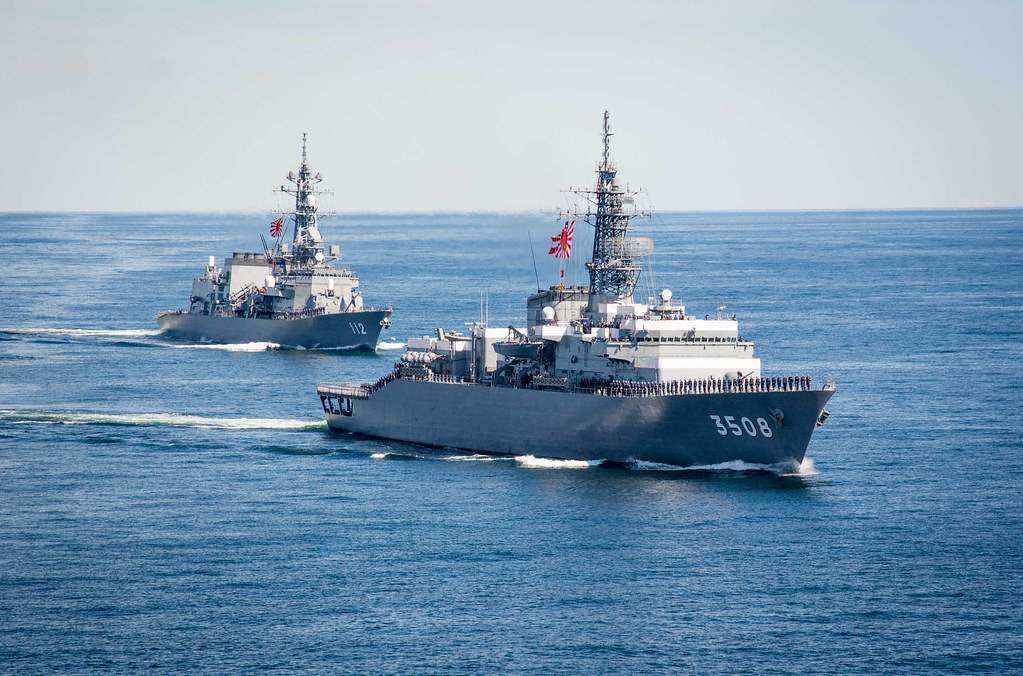
Japan has a new Prime Minister and faces challenges both old and new. A comment from an opposition politician led Prime Minister Sanae Takaichi to make a statement on a possible commitment from the Japanese Navy to protect Taiwan. The response from China was quick, but the implications for Takaichi are more telling. Will she reposition Japan globally, or be stopped by the same forces that forced Shinzō Abe to halt his ambitions?

Read More »
The EU’s Joint Communication on a New Strategic EU–India Agenda, released in September 2025, signals a renewed push to elevate India as a core strategic partner. Centred on trade, technology, security, connectivity, and global governance, the agenda reflects shared interests amid growing geopolitical uncertainty. While economic potential and security cooperation are significant, persistent trade barriers and regulatory frictions remain. Its success will hinge on effective implementation, with the partnership offering scope to support international stability and strengthen multilateral cooperation.

The Joint Communication on a New Strategic EU-India Agenda: Will Brussels and New Delhi Deliver?

The EU’s Joint Communication on a New Strategic EU–India Agenda, released in September 2025, signals a renewed push to elevate India as a core strategic partner. Centred on trade, technology, security, connectivity, and global governance, the agenda reflects shared interests amid growing geopolitical uncertainty. While economic potential and security cooperation are significant, persistent trade barriers and regulatory frictions remain. Its success will hinge on effective implementation, with the partnership offering scope to support international stability and strengthen multilateral cooperation.

Read More »

ASEAN’s Kuala Lumpur Summit: The Test of Regional Relevance 

The 47th ASEAN Summit in Kuala Lumpur demonstrated that ASEAN still has diplomatic relevance: it expanded to include Timor-Leste, brokered a truce between Cambodia and Thailand, and attracted high-level participation from global powers. Yet, the Summit also exposed the limits of ASEAN’s influence. Political momentum is real, but fragile, and whether these outcomes lead to lasting progress will depend on implementation under the Philippines’ incoming chairmanship.

Read More »

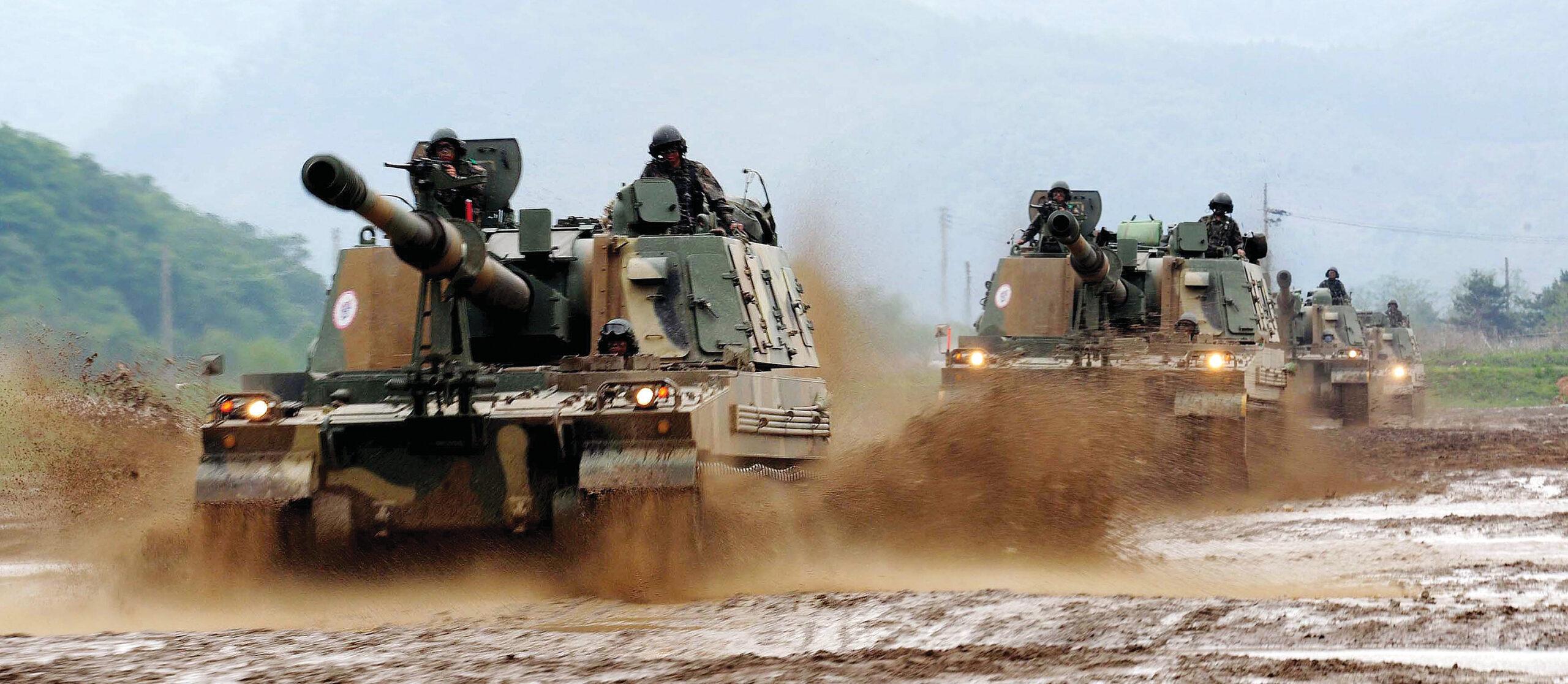
EU-South Korea-Japan: Revitalizing Defence and Security Ties in a Changing Geopolitical Landscape

The global inter-state cooperation landscape is changing. In this regard, the geopolitical situation detonated by the outbreak of the war in Ukraine has produced two main areas of convergence between Europe and Northeast Asia. First, shifting geopolitical alliances and security challenges have fostered a renewed understanding of defence in all its facets in both regions. Second, thanks to their engagement through NATO and strengthened bilateral cooperation, the EU, Japan, and South Korea are also gaining momentum for enhanced trilateral security cooperation. In doing so, the three partners may be facing an array of challenges, but the opportunities for collaboration are present and continue to be growing.

Read More »

EU-India Relations: Progress and Pitfalls

In May 2024, Narendra Modi was re-elected Indian Prime Minister (PM), winning a third term. In doing so, Modi ensured the continuity of his political programme, including a commitment to forge a closer relationship with the European Union (EU). The combination of India’s General Election result with the June 2024 European election has created a momentum for the two partners to reassess their bilateral relations. Weighing in on this dynamic, the EU and its Member States have been encouraging India’s engagement to push the development of its infrastructure network and to address social and human rights concerns.

Read More »

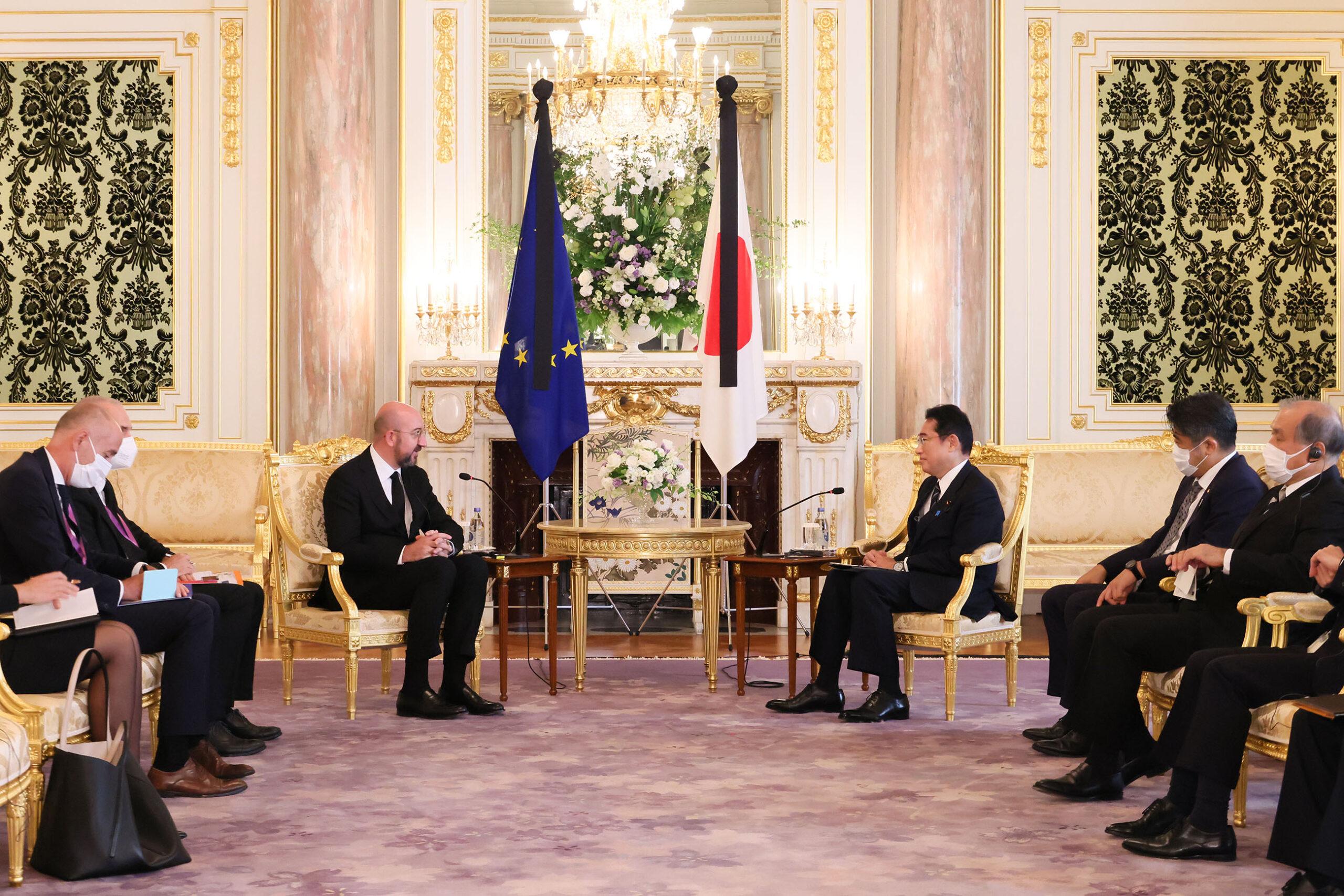
Opportunities for Japan in the EU

Japan is looking abroad, also to the EU. But can Europe deliver? If Japan chooses to seize the opportunity, Europe can be a fertile ground for Japan’s home-grown strategies. The EU has long looked to expand its reach to the East, thereby even breaking with its multilateral ideals when trading with new partners. The extended reach of EU-Japan cooperation signals the willingness of both parties to create a stronger bond, and an opportunity for Japan to get closer to gain stronger security guarantees, closer relationships with external partners and more expansive trade.

Read More »