development

How The EU Can Leverage The Current FTA Negotiations To Secure A Mutually Beneficial CRM Partnership With India

As the EU is set to accelerate on its path toward climate neutrality, technological sovereignty and independence, the European Union’s access to Critical Raw Materials (CRM) poses a pressing structural priority, with CRMs playing fundamental roles in the manufacturing of semiconductors, solar panels, wind turbines, and other essential components of the emergent green and digital economy. Despite this apparent strategic importance, the EU relies on a dangerously bottlenecked import base. With China producing 86% of the world’s rare earth minerals, the EU imports 100% of its supply of heavy rare earth elements (REE) from China. Such a dependency transforms CRMs from merely a supply chain concern into a genuine geopolitical challenge. This policy brief argues that CRM integration into the EU-India FTA would be a strategic necessity for the security of Europe’s industrial future.

Read More »

Chinese Banks in the EU: Structures, Functions and Regulatory Challenges

Chinese banks have established themselves in the European Union as key players in financing trade, investment, and business activities between Europe and China. Their special institutional structure in the form of the ‘branch-cum-subsidiary’ model, often established in Luxembourg, allows for high financial flexibility, but also brings regulatory tensions. At the same time, new European regulations on banking supervision, investment control, and economic security are changing the framework of their activities within the union. This leads to challenges and new requirements for a balanced and reciprocal design of EU-China financial relations.

Read More »

ASEAN’s Kuala Lumpur Summit: The Test of Regional Relevance 

The 47th ASEAN Summit in Kuala Lumpur demonstrated that ASEAN still has diplomatic relevance: it expanded to include Timor-Leste, brokered a truce between Cambodia and Thailand, and attracted high-level participation from global powers. Yet, the Summit also exposed the limits of ASEAN’s influence. Political momentum is real, but fragile, and whether these outcomes lead to lasting progress will depend on implementation under the Philippines’ incoming chairmanship.

Read More »

The Middle Corridor: EU Connectivity through Infrastructure Digitalisation and a Single Window Environment

Amid global supply chain disruptions and geo-political uncertainty, the Middle Corridor, also known as the Trans-Caspian International Transport Route (TITR), is rapidly redefining how Europe connects with the Asian continent via Central Asia and the Greater Caspian region – offering a faster, more reliable alternative to traditional trade routes. Increasingly emboldened by investment and regional cooperation, this multimodal corridor promises to reduce transit times, bypass existing chokepoints, and drive digital innovation in customs and logistics.

Read More »

The Trans-Caspian Corridor: Financial Risk Mitigation for Unlocking EU Connectivity with the Greater Caspian Region and Central Asia

Examining the financial mechanisms underpinning the European Union’s engagement in Central Asia, this Policy Brief focuses on the Trans-Caspian Transport Corridor (TCTC) as a strategic infrastructure and trade initiative. It analyses how instruments such as the European Fund for Sustainable Development Plus (EFSD+), the European Investment Bank (EIB), and the Multilateral Investment Guarantee Agency (MIGA) are deployed to de-risk private investment, foster sustainable development, and strengthen regional connectivity. By assessing both the opportunities and challenges of EU-backed financing, the study highlights how coordinated investment, regulatory frameworks, and risk mitigation strategies can enhance economic integration, diversify supply chains, and support the EU’s broader geopolitical and green-transition objectives in the Greater Caspian Region.

Read More »

From Landlocked to Landlinked: Transport Connectivity Development in Lao PDR

In December 2021, after five years of construction work, the Lao People’s Democratic Republic (PDR) inaugurated its first major high–speed railway line. A feat of technology in a landlocked, mountainous country, the Laos-China railway links the capital Vientiane to the Chinese border in less than three hours. A year and a half later, in April 2022, the section was extended by almost 1,000 km to connect the Laotian capital with Kunming, the capital of Yunnan province in southern China. Designed to open up the country economically to its partners in Southeast Asia, this railway line is shaping the future of Laos as a country at the confluence of many regional and international influences.

Read More »

Towards the Middle Income Status in Bangladesh

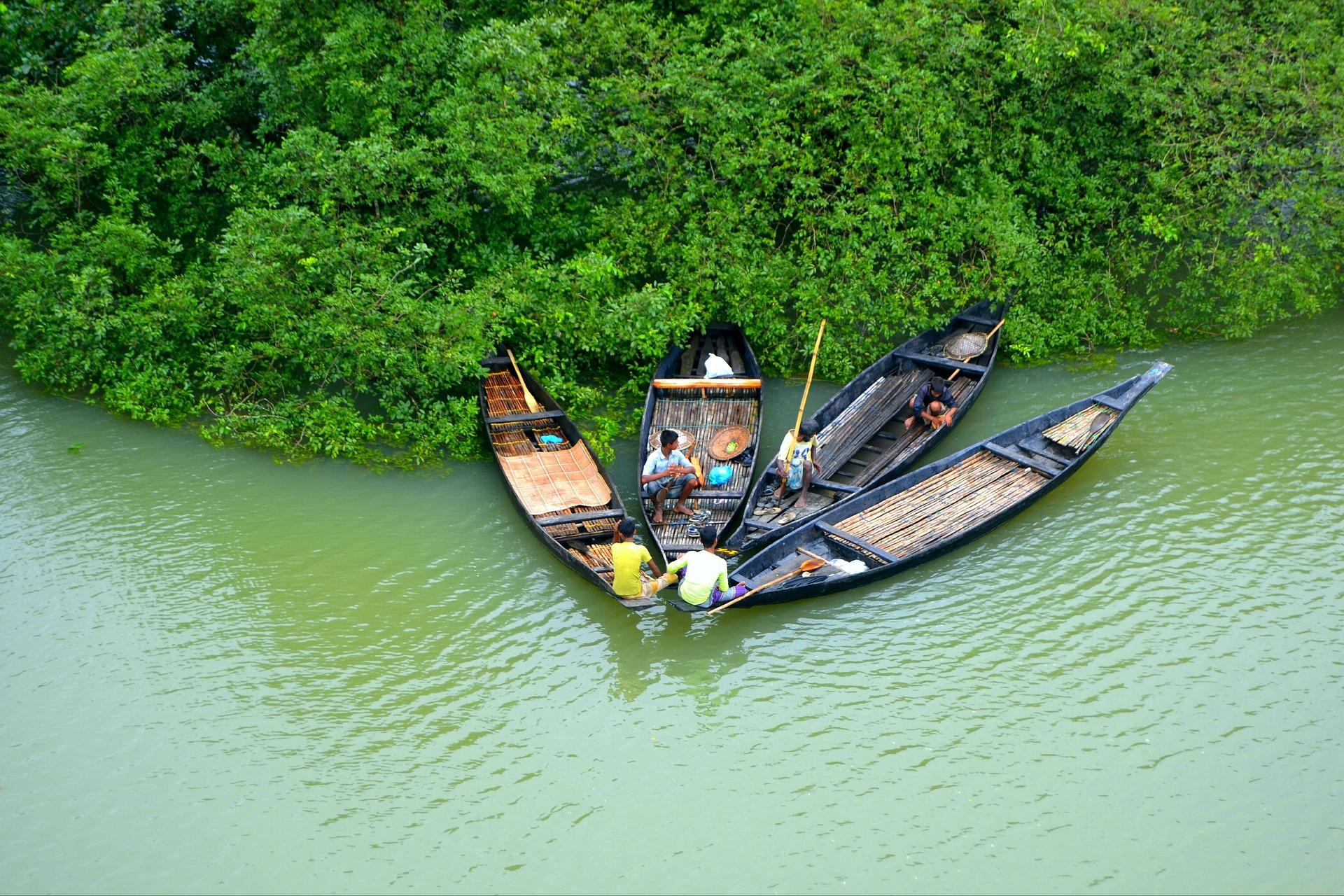
Bangladesh is on track to graduate from the United Nations’ least developed country (LDC) status. The country’s remarkable growth is worthy of a closer analysis regarding the drivers and rationale behind national policies and attracting foreign investments.

Read More »