ASEAN

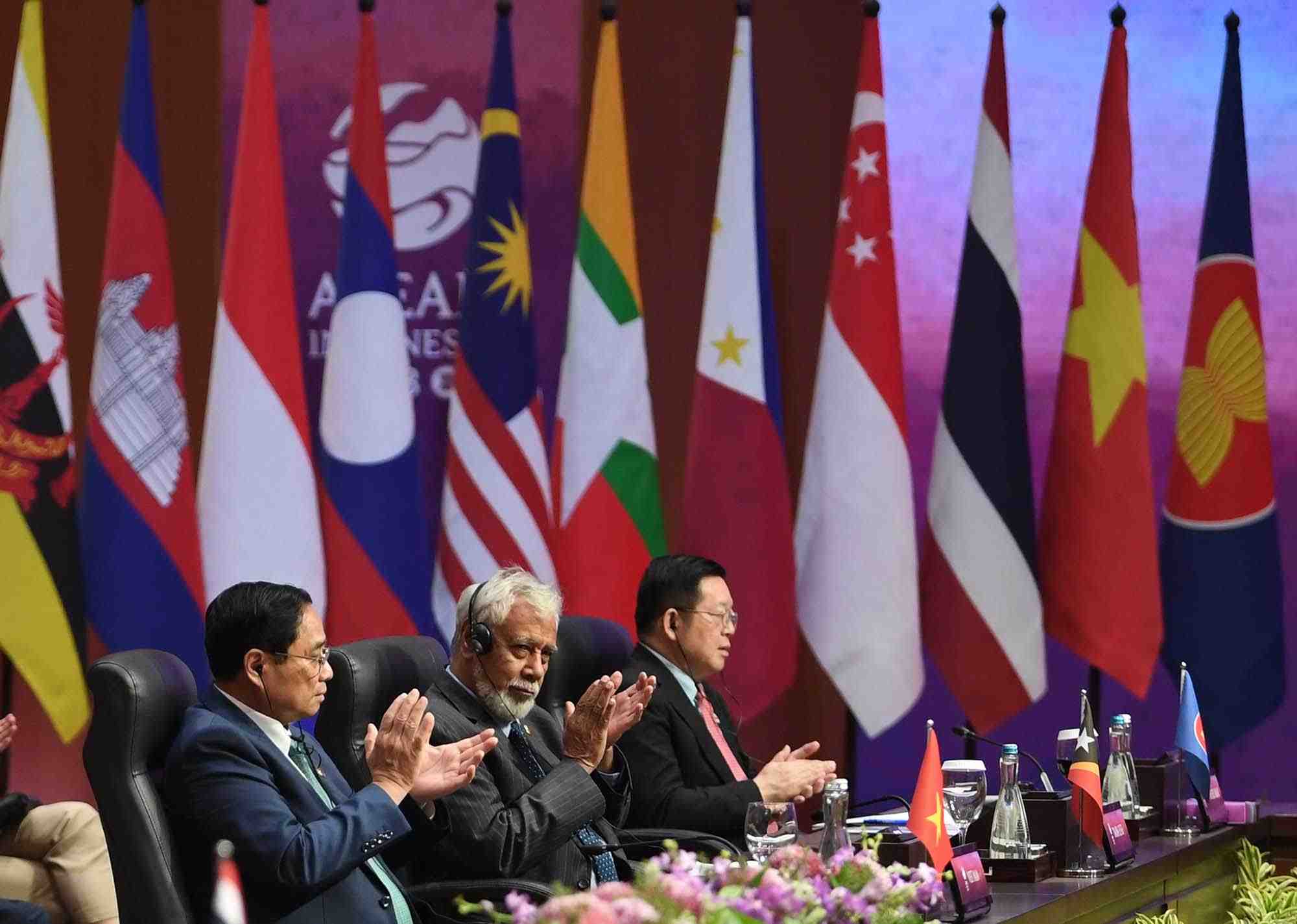
New State in the Bloc: Opportunities And Limits for Timor-Leste and ASEAN

Timor-Leste’s accession as ASEAN’s eleventh member in October 2025 marked the end of a fourteen-year accession process and a major milestone in the country’s post-independence foreign policy. While widely celebrated as a symbol of regional inclusion and reconciliation, the membership raises deeper questions about integration, institutional capacity, and ASEAN’s ability to manage persistent development gaps among its members.

Read More »

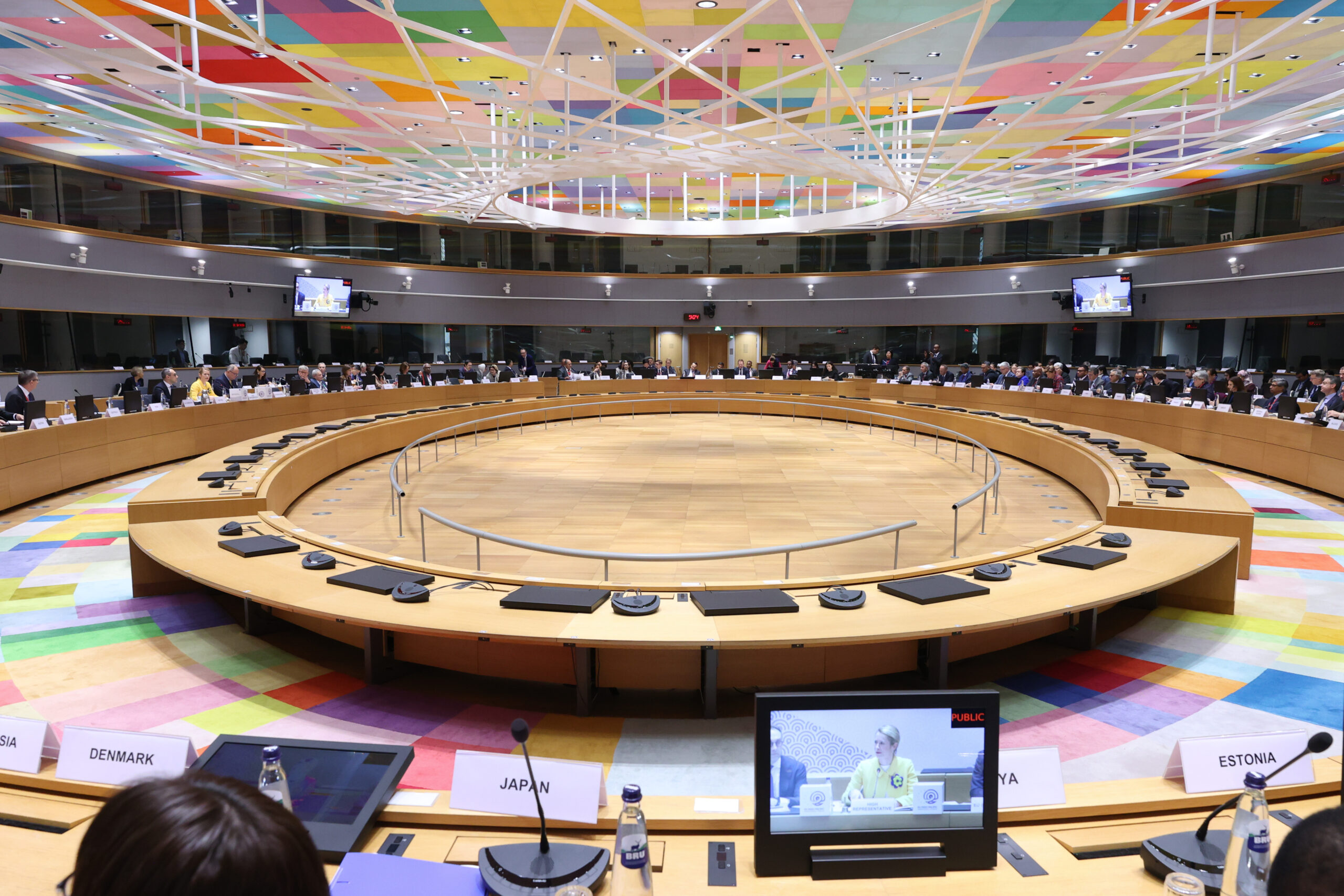
A Call for Action: Meditations on the EU’s Indo-Pacific Strategy in light of the 4th Indo-Pacific Ministerial Forum and AOIP 2025

As the EU’s 4th Indo-Pacific Ministerial Forum (IPMF) took place in Brussels on the 20th and 21st of November 2025, the European Union faces a pivotal moment. Despite grand declarations, Brussels’ impact in the region remains constrained by episodic engagement and an overreliance on formal diplomatic channels, notwithstanding efforts to engage with civil society and other relevant stakeholders. How can the EU explore potential alternative channels of diplomacy to establish lasting, practical, and realistic partnerships with its Indo-Pacific partners? By leveraging European expertise as a result of private-sector champions, while simultaneously working together on developing capacity-building initiatives on the ground, the EU may transform its strategy from rhetoric into tangible action and show its partners it is serious about its commitments.

Read More »

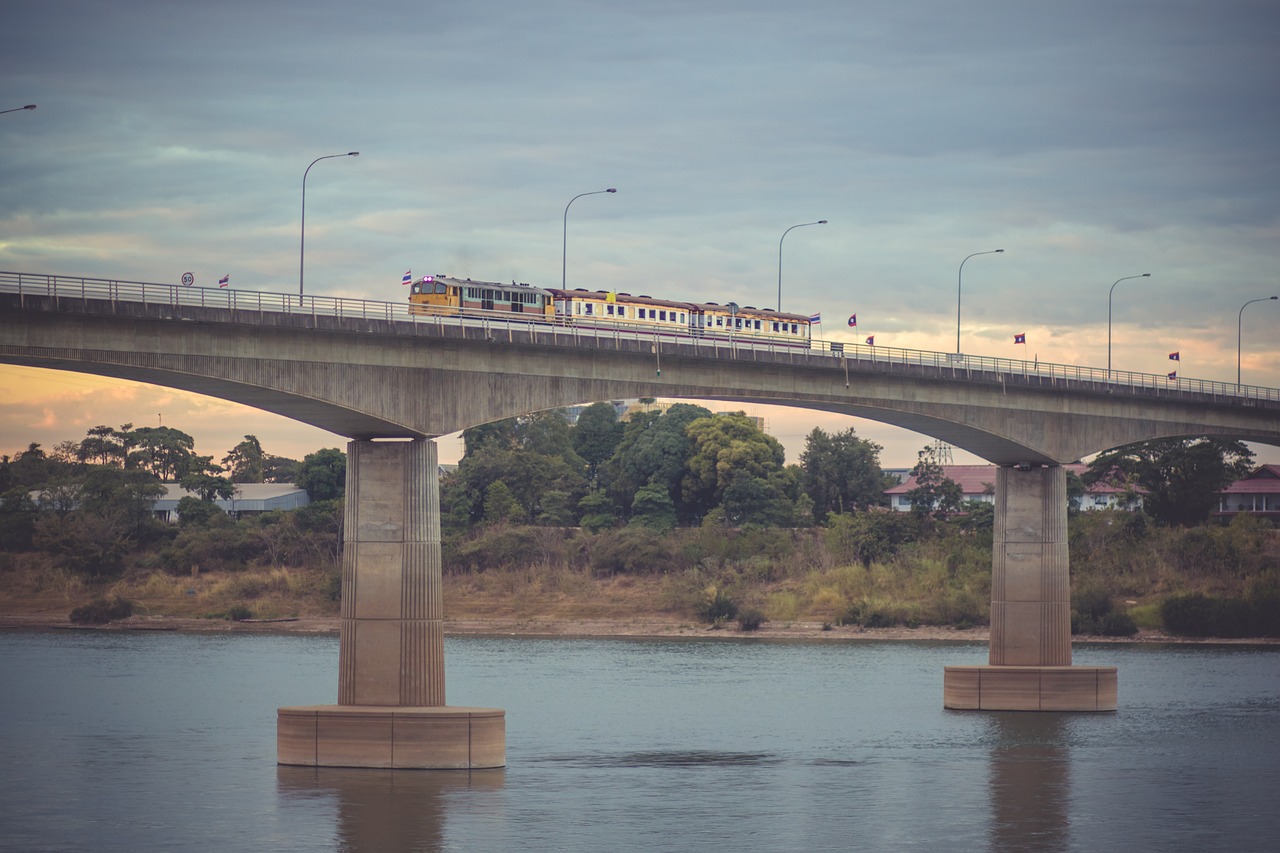
From Landlocked to Landlinked: Transport Connectivity Development in Lao PDR

In December 2021, after five years of construction work, the Lao People’s Democratic Republic (PDR) inaugurated its first major high–speed railway line. A feat of technology in a landlocked, mountainous country, the Laos-China railway links the capital Vientiane to the Chinese border in less than three hours. A year and a half later, in April 2022, the section was extended by almost 1,000 km to connect the Laotian capital with Kunming, the capital of Yunnan province in southern China. Designed to open up the country economically to its partners in Southeast Asia, this railway line is shaping the future of Laos as a country at the confluence of many regional and international influences.

Read More »

Building Peace Amid Turmoil: What Role Can The EU Play in Myanmar’s Fragile Path to Stability?

The security environment in Myanmar has been at a critical point for the past few years. Since the 2021 military coup under General Min Aung Hlang, security challenges have reached critical levels both internally and regionally, also spreading beyond Myanmar’s borders. Moreover, Refugee inflows, especially into Bangladesh and Thailand, have added to the already existing challenge of the Rohingya Crisis.

Read More »

Forging Ahead: Restoring EU-Philippines FTA Negotiations

In the complex geopolitical context shaping international dynamics — characterised by a plethora of (in)security dynamics, encompassing shifting alliances and global tensions — the significance of a solid partnership based on economic resilience and an increase of sustainable development has never been more relevant.

Read More »

Bamboo Diplomacy Meets 5G: Europe’s High-Stakes Bid on Vietnam’s Telecommunications Transformation

In January 2024, Vietnamese Prime Minister Pham Minh Chinh approved Vietnam’s sweeping Information And Communication (IC) Infrastructure Plan For The Period Of 2021 – 2030, With A Vision To 2050. With ambitious goals such as connecting 100% of households to fibre optic cable by 2025 and for “5G mobile broadband coverage to reach 99% of the population” by 2030, Vietnam has gone all-in on overhauling its domestic economic policy to become a technologically integrated, highly developed state with full sovereignty over its data within the next 30 years.

Read More »

Discussion on EU-ASEAN Economic Relations

EIAS had the pleasure of hosting a delegation of high-ranking decision-makers and academics from six Southeast Asian countries (Cambodia, Indonesia, Malaysia, The Philippines, Thailand and Vietnam) invited to Brussels and Berlin by the Konrad Adenauer Foundation. At EIAS they were welcomed for a discussion on EU-ASEAN Economic Diversification Strategies and Enhanced Partnership Opportunities amid Great Power Dynamics on 23 April 2024.

Read More »