Briefing Paper

EU-China Trade: Facilitating Bilateral Trade Through a Joint Fiat-Backed Stablecoin

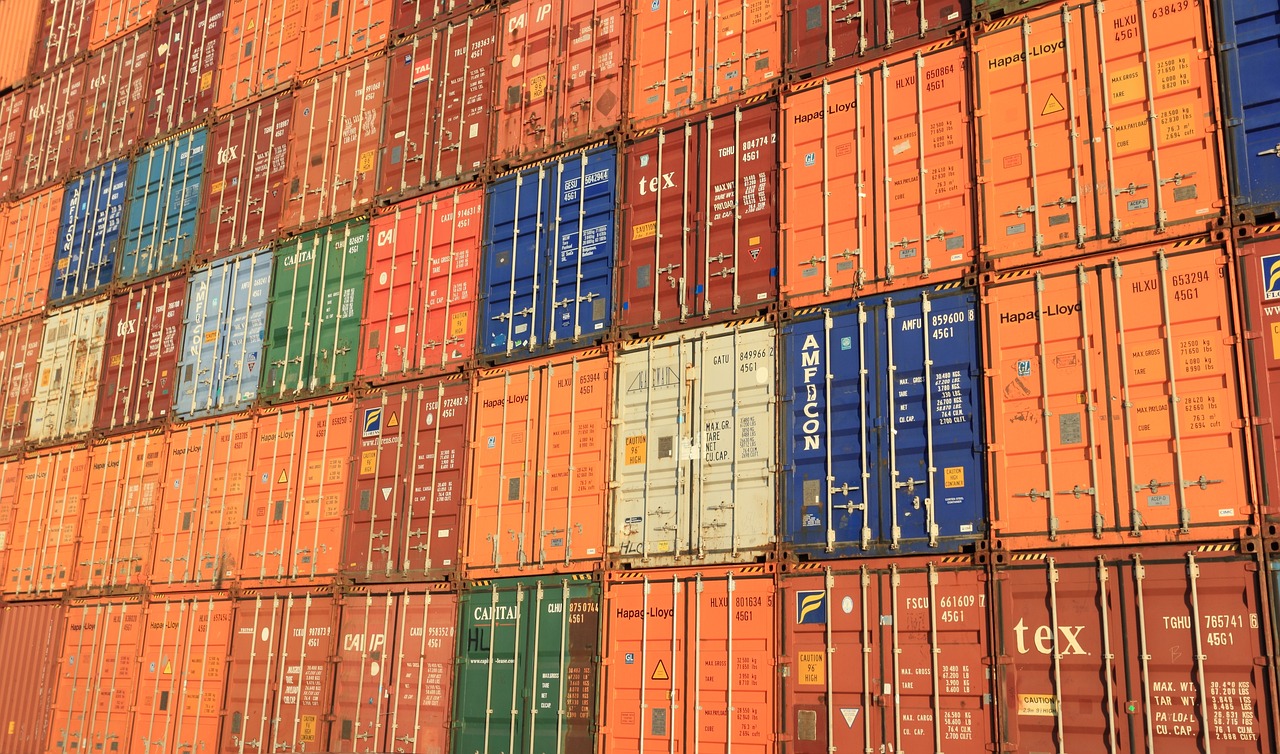
This EIAS Briefing Paper explores the implementation of a joint, fiat-backed stablecoin as a tool for facilitating EU-China Trade, which reached a valuation of approximately 762 billion USD in 2024. Despite the high volume of Bank-to-Bank (B2B) transactions, bilateral trade remains tethered to inefficient financial infrastructure characterised by high foreign exchange (FX) markups, third-party reliance, and settlement latencies. These frictions impose systemic costs and lock up billions in working capital. This paper proposes a private fully-collateralised stablecoin pegged to a 50/50 basket of the Euro (EUR) and Offshore Renminbi (CNH). Blockchain architecture and smart contract automation offers the potential of near-instantaneous completely transparent settlement and reductions in transaction costs to a fraction of traditional transfers.
Read More »

South Korea as the New International Defence Industrial Powerhouse: Implications For Europe

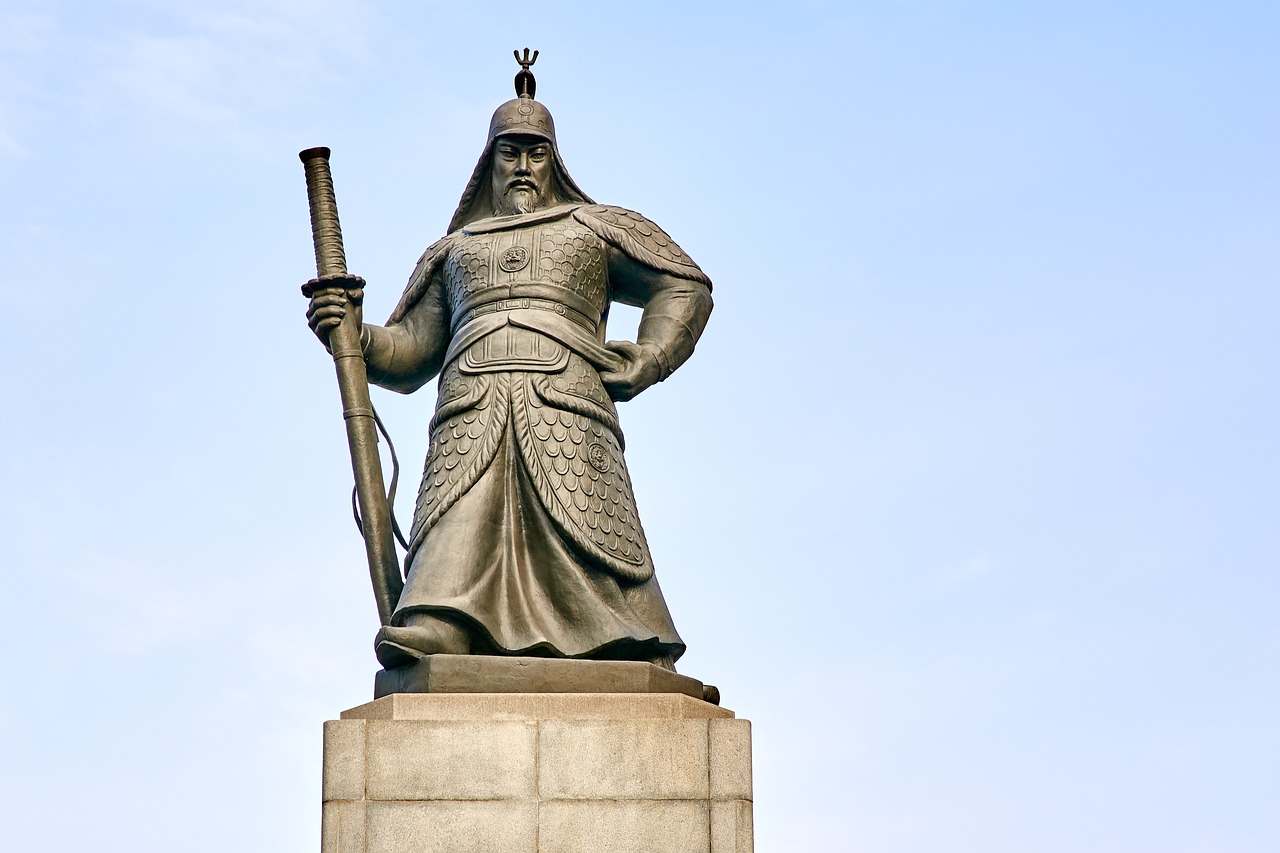
The Republic of Korea (ROK, or South Korea), a technologically advanced nation, is internationally famous for its export of semiconductors, cars and pop culture. In the past few years, South Korea has also successfully grown its defence industry, securing major deals abroad. Emerging as one of the world’s fastest-growing defence exporters, South Korea ascended from the 31st position in 2000 to a top ten ranking between 2019 and 2023 in the global arms trade, taking many by surprise, especially in Europe.

Read More »

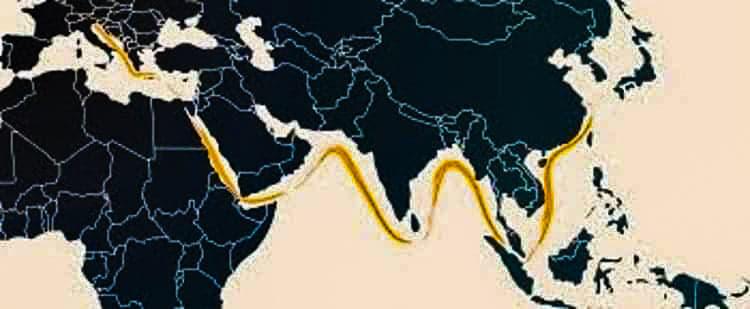
The Middle Corridor Initiative – Where Europe and Asia Meet

Over the past two years, geopolitical shifts in Eurasia have significantly impacted global supply chains, alongside various political and economic dynamics. The repercussions of Russia’s invasion of Ukraine and Houthi attacks on merchant ships in the Red Sea have led to serious discussions on the liability of different transport routes. There has been a visible redirection of cargo flow from northern to southern routes in the East-West direction, rendering traditional transport paths less relevant and sought for. Amidst the diminishing significance of the New Eurasian Land Bridge (NELB) or ‘Northern Corridor,’ a demand for alternative transport routes has emerged, with particular attention drawn to the Trans-Caspian International Transport Route (TITR), also called the ‘Middle Corridor.’

Read More »

Building Bridges: Post-Pandemic Opportunities for Cooperating on Sino-EU Infrastructure Initiatives

As the world recovers from the Covid-19 pandemic and the global order is shifting, new opportunities are arising for cooperation and enhanced coordination on international infrastructure development. This EIAS Briefing Paper examines the potential and risks for collaboration between China and Europe on their respective connectivity initiatives, and assesses potential challenges, pitfalls, as well as pathways to accomplish this. This is done by (1) illustrating the potential and risks of China’s Belt and Road Initiative; (2) explaining the impacts and changes that have emerged since the pandemic; (3) examining the other actors’ connectivity and infrastructure initiatives, including the EU’s Global Gateway; (4) listing the modes for cooperation; and (5) recommending channels through which to overcome challenges associated with coordination on infrastructure initiatives.

Read More »

Framing the Future EU-Viet Nam Partnership – Green Development as a Catalyst for Trade and Political Cooperation?

Two years after the entry into force of the Free Trade Agreement (FTA) between Vietnam and the European Union (EU), this EIAS Briefing Paper outlines the evolution of economic and trade relations between the two partners, identifying relevant sectors for future cooperation. Taking into account both parties’ climate ambitions, as well as Vietnam’s need to develop its energy infrastructure, the EU and Vietnam should collaborate more intensively to secure and incentivise sustainable European investments in Vietnam, facilitated by the FTA. Sharing its experience, the EU can contribute to determining an energy policy adapted to Vietnam’s needs and will.

Read More »