Lin Goethals

From BRICS to BRICS+: India, the EU and Shifting Global Power Dynamics

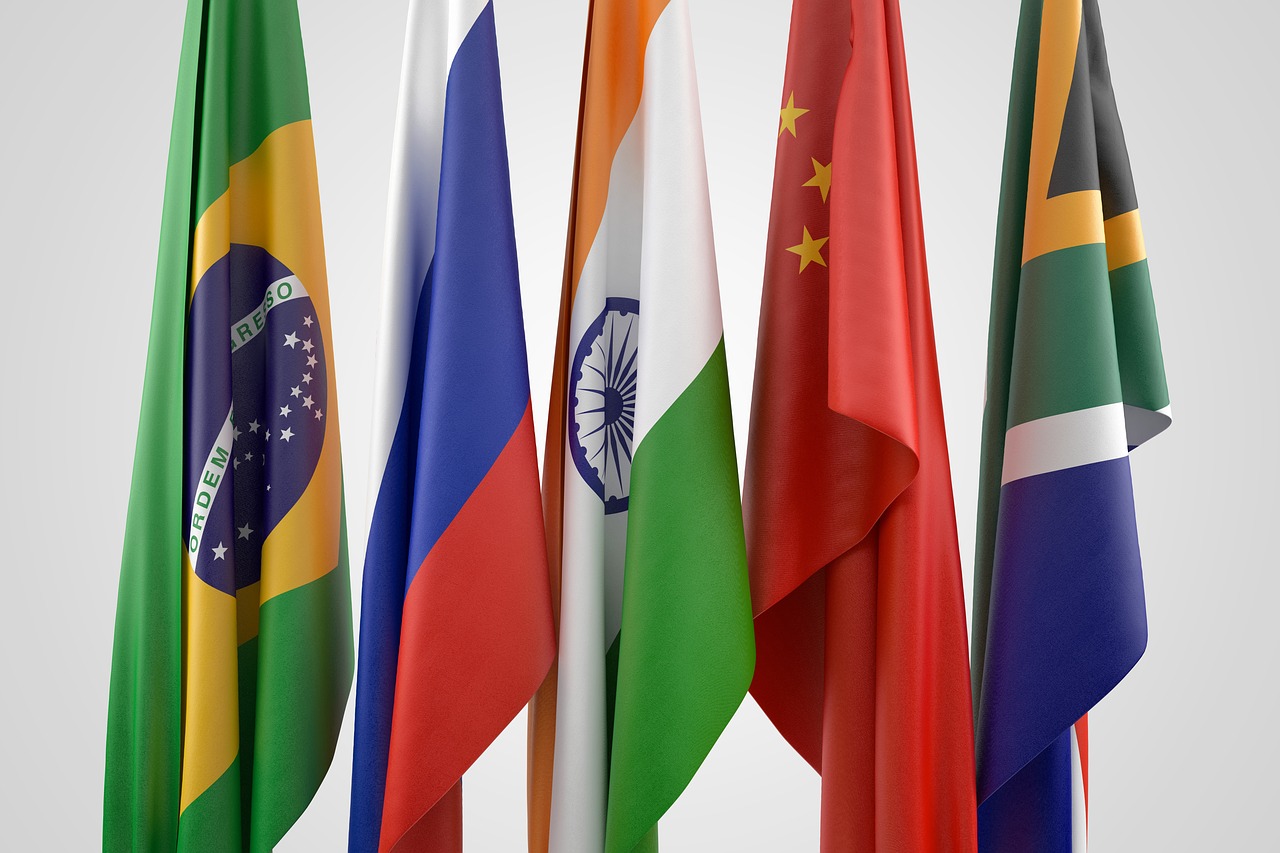
From 22 to 24 October 2024, the sixteenth BRICS summit was held in Kazan, Russia. During this event, the initial members of the organisation (Brazil, Russia, India, China, and South Africa) were joined by Iran, Egypt, Ethiopia, and the United Arab Emirates (UAE), marking the launch of BRICS+. Just a few weeks later, Indonesia, the most populated country in Southeast Asia, also joined the expanding group.

Read More »

EU-India Relations: Progress and Pitfalls

In May 2024, Narendra Modi was re-elected Indian Prime Minister (PM), winning a third term. In doing so, Modi ensured the continuity of his political programme, including a commitment to forge a closer relationship with the European Union (EU). The combination of India’s General Election result with the June 2024 European election has created a momentum for the two partners to reassess their bilateral relations. Weighing in on this dynamic, the EU and its Member States have been encouraging India’s engagement to push the development of its infrastructure network and to address social and human rights concerns.

Read More »

President Yoon’s Short-lived Martial Law Declaration and Its Fallout

President Yoon Suk-Yeol sent the Republic of Korea into political turmoil in early December 2024 by declaring martial law, citing the need to “wipe out anti-state forces,” only to withdraw it again several hours later. Since then, the country has been sent into uncertainty. While impeachment proceedings have been set in motion, these recent developments have severely impacted the country’s domestic governance, as well as its ability to participate in global politics. What are likely avenues for South Korea to overcome this political unrest and what does it mean for EU-South Korea relations?

Read More »

Roundtable Discussion on China’s Relations with Belgium in view of shifting geopolitical dynamics in the EU and around the world

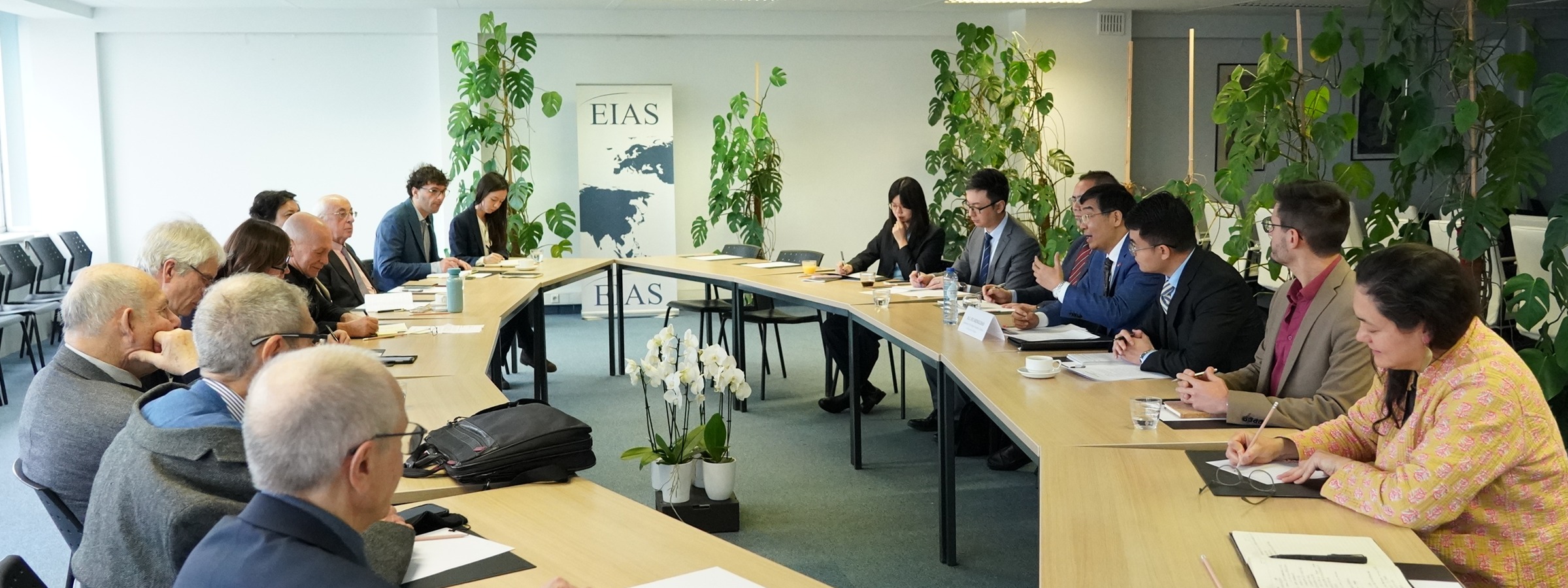
On Wednesday, 18 December 2024, EIAS hosted a closed-door roundtable discussion with H.E Fei Shengchao, Ambassador of the People’s Republic of China to the Kingdom of Belgium and distinguished experts and academics to discuss “China’s Relations with Belgium in view of shifting geopolitical dynamics in the EU and around the world.” The discussion was held under the Chatham House Rule. Introducing the ABC of Sino-Belgian relations, the focus of the discussion was directed at A) America-China relations being at the core of global politics; B) Belgium and Brussels serving as a hub in Europe connecting East and West; C) China and Change; D) the Draghi report, development, growth and competitiveness; and E) the European Union as a key actor, commemorating 50 years of EU-China relations in 2025.

Read More »

Energy Opportunities in the Greater Caspian Region: Unlocking Strategic Gains for Europe

Amid the ongoing war in Ukraine and the urgent need to reduce dependency on the Russian energy sector, the EU has intensified the diversification of its fossil fuel imports and expanded renewable energy sources in line with the REPowerEU plan to enhance overall energy security. A key aspect of this strategy has been increasing liquefied natural gas (LNG) supplies from the United States, Norway, and North Africa. However, the need for diversified energy sources persists. The Greater Caspian Region, in particular, offers substantial potential for rapidly boosting exports within a short timeframe. To fully capitalise on the opportunities in the Greater Caspian Region, European companies and governments should navigate a complex landscape of geopolitical dynamics and infrastructural commitments. Balancing the urgent need for energy security with the long-term goals of sustainable development will be crucial for the success of these endeavours.

Read More »

The Middle Corridor – Where The EU’s Global Gateway Meets the Belt and Road Initiative: What Potential for Complementarity?

The role of infrastructure in contemporary global politics is shifting and gaining growing attention. Aiming to increase global connectivity, the European Union’s Global Gateway (GG) strategy and the Chinese Belt and Road Initiative (BRI) are at the centre of attention as infrastructure investment programs. Between the two, the Middle Corridor emerges as an area of potential increased future consortium, both geographically and strategically. What are the GG’s goals, principles, and financial mechanisms and how does it compare with China’s BRI? How do both strategies relate to the Middle Corridor and its potential for complementarity between the two initiatives? The path forward requires refinement, but the momentum is there and the potential for collaboration lies ahead.

Read More »

Combating Illegal, Unreported and Unregulated (IUU) Fishing in Vietnam – The EU’s Yellow Card

Illegal, unreported and unregulated (IUU) fishing practices have been a critical challenge in Southeast Asia due to their environmental impact and related economic losses, resulting in the weakening of coastal communities. Notwithstanding the efforts being taken at the national level, mitigation and addressing the issue has proved to be challenging in Vietnam. The European Union (EU), a crucial trading partner for the country, has been pressuring Vietnam to combat IUU fishing. With the 5th EU inspection approaching in October 2024, Vietnam has been positively ramping up its efforts. What further action needs to be taken to lift the EU’s yellow card? How can the root causes of IUU fishing be addressed and how can the EU effectively provide adequate support in tackling this?

Read More »

The EU’s Semiconductor Dilemma: What Does it Take to Regain Strategic Autonomy?

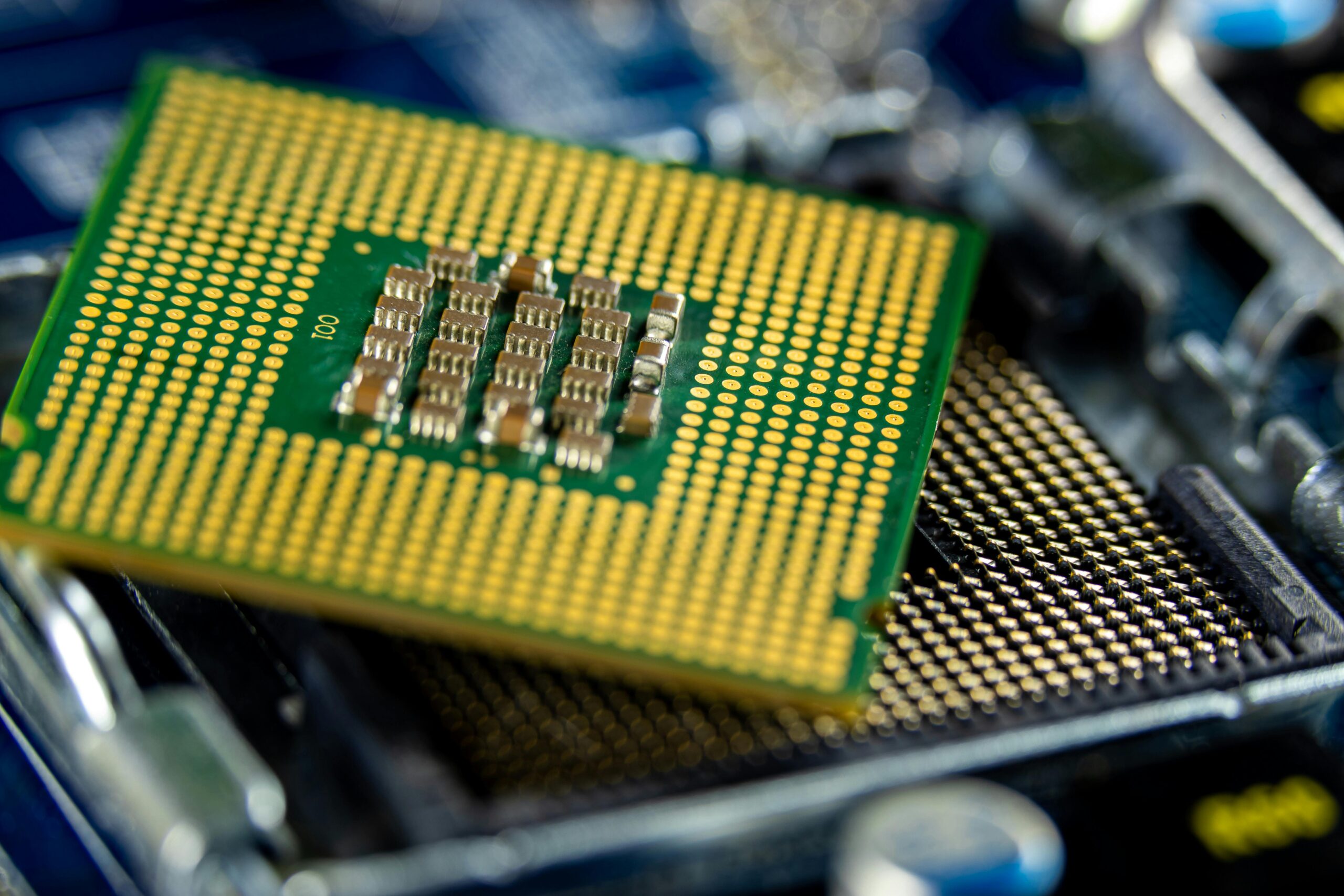
To counter a looming change in balance of global power, the US and the EU have adopted respective de-risking measures, whereby supply chains are diversified and onshored to decrease strategic dependencies against China’s geoeconomic leverage. As China’s semiconductor ecosystem grows more strategic, and US measures more pressing, the EU must wager its position between a democratic ally to Washington and a willing trade partner to Beijing. More importantly, to preserve its technological advantage in the semiconductor industry, the EU needs to regain its strategic autonomy.

Read More »

EIAS Newsletter August 2024

As the summer comes to an end and September approaches, we are excited to share our latest publications and upcoming activities with you in the August edition of our EIAS newsletter.

Read More »